
Underpinning
We reinforce and stabilise existing foundations, restoring structural integrity and preventing further movement with minimal disruption to buildings or operations.
What is underpinning and why is it needed?
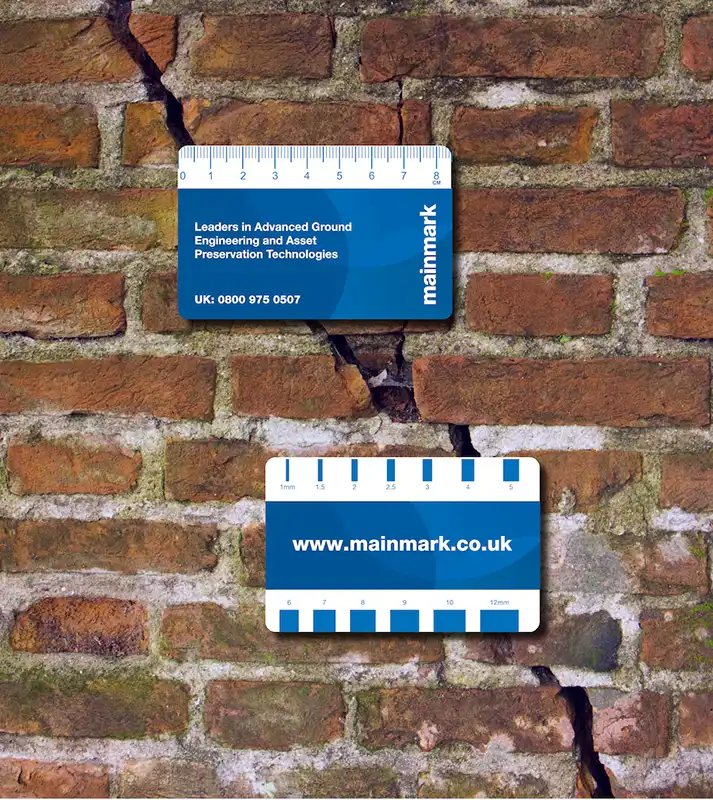
Underpinning (sometimes called foundation stabilisation) is the process of strengthening or repairing the ground beneath an existing building to make sure its foundations are stable.
Traditionally, underpinning meant digging out the soil beneath a property and filling it with concrete. While this method is still used in some cases, modern technologies offer faster, less disruptive, and often more cost-effective alternatives.
You may need underpinning services for:
Conversions or extensions
Adding another storey to your house, or converting a residential building into a commercial or industrial unit, increases the load on your foundations. Underpinning strengthens the ground so it can handle the extra weight.
Protection from future problems
If your foundations are weak or unstable, or if nearby excavation works threaten the soil beneath your property, underpinning helps protect your building from long-term damage.
Fix current issues (like subsidence)
The most common reason for underpinning is to stabilise and re-level a building already showing subsidence cracks or sinking floors. Traditional underpinning could take weeks or even months — but with Mainmark’s world-leading resin injection underpinning, the work can often be completed in as little as one day.
Types of Underpinning

Underpinning methods have been around since the 15th century. While traditional concrete approaches are still used, modern alternatives are faster, cleaner, and less disruptive. Here are the main methods:
Mass Concrete Underpinning
This is the oldest and most widely used technique. It involves excavating boxed sections beneath the foundation and filling them with concrete. Mass concrete underpinning is usually only suitable for shallow foundations and, while reliable, it is labour-intensive, slow, and can cause significant disruption.
Piled Underpinning
When stable soil lies deeper underground, piled underpinning is often required. This method transfers the foundation load to stronger soil layers using deep piles made of steel and concrete. It may involve removing internal floors to install the pile grid, and is often chosen where excavation isn’t practical due to environmental restrictions or limited site access.
Computer-Controlled Grouting
This advanced approach uses multiple small injection points to deliver high-mobility grout under computer control. The system gently raises and stabilises structures with precision, making it effective for large or complex buildings. The injection ports are very small (25–40mm), so the method is minimally invasive while still capable of lifting heavy loads with accuracy.
Resin Injection Underpinning
Our preferred modern solution is resin injection underpinning, a fast and non-invasive alternative to traditional excavation. Expanding polyurethane resin is injected into the ground through small tubes, filling voids and compacting weak soil. The chemical reaction strengthens the foundation and lifts the structure back to level in a controlled way. Often compared to “keyhole surgery” for buildings, resin injection is clean, efficient, and in many cases can be completed in just one day — with no need for occupants to move out.
Underpinning alternatives with minimal disruption
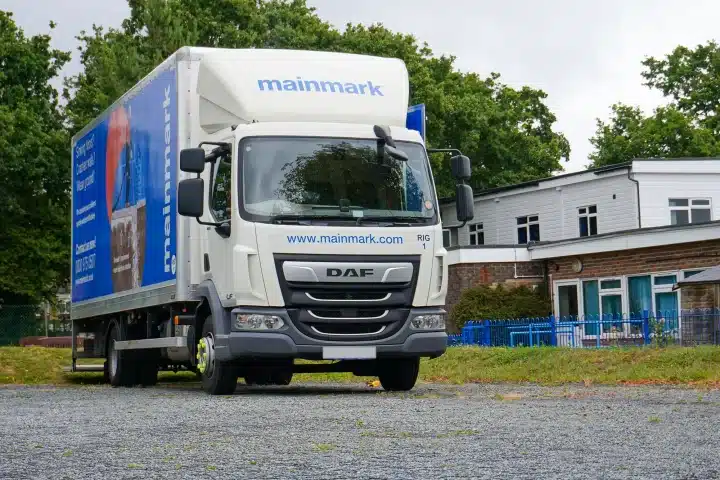
Mainmark’s ground improvement technologies are cost-effective and reliable alternatives to traditional underpinning. Our methods cause little or no disruption and work can often be completed in a day.
Our underpinning alternative technologies are non-invasive. This means that it is not necessary for building occupants to vacate the property during the work taking place. Building contents can remain in place. Treated roads, paths, driveways and concrete slabs can be used again after only a few hours.
Underpinning alternatives with minimal disruption
With Mainmark’s expertise, you can stabilise your property quickly, safely, and without the mess of traditional excavation methods.
At Mainmark, we specialise in non-invasive underpinning alternatives. Our solutions are:

Cost-Effective
less labour and downtime than traditional underpinning

Fast
work can often be completed in a single day

Non-disruptive
no need to move out, and contents can remain in place

Practical
treated areas (roads, driveways, concrete slabs) can be used again after just a few hours
Underpinning Resources and Methods
Our dedicated team of experts is committed to understanding your unique needs and objectives, working closely with you to develop and execute.
Resin injection underpinning
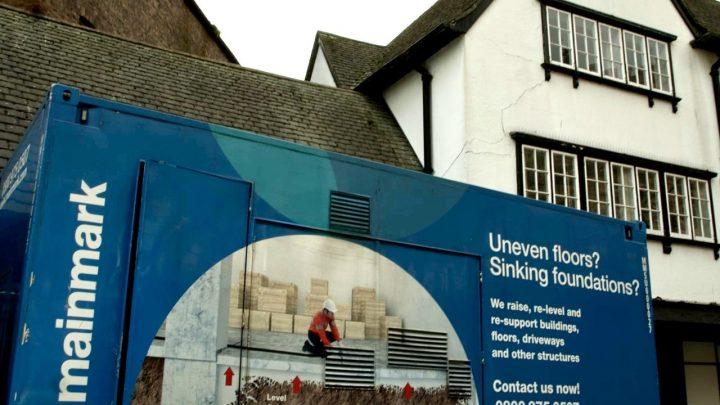
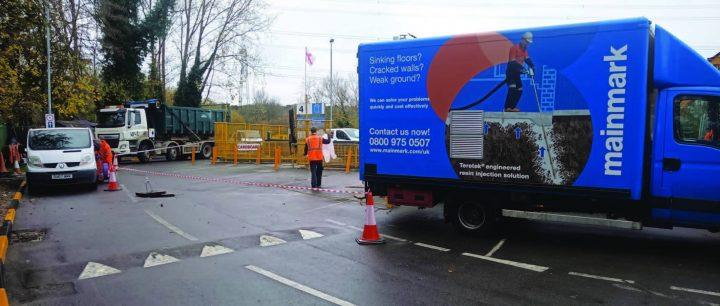
Resin injection underpinning is a non-invasive alternative to the traditional underpinning of a building that is experiencing subsidence. A modern alternative that can save time and money it fills voids and compressed soil, increases the ground’s load-bearing capacity and can re-level the building or structure.
Foundation underpinning
Traditional methods of foundation underpinning can be complicated, costly and disruptive. They involve excavations from under the foundations and a labour-intensive process of filling these with concrete or other filler material in order to strengthen the foundations. The work can last weeks and often even months. During this time the building needs to be vacated.
Underpinning a house
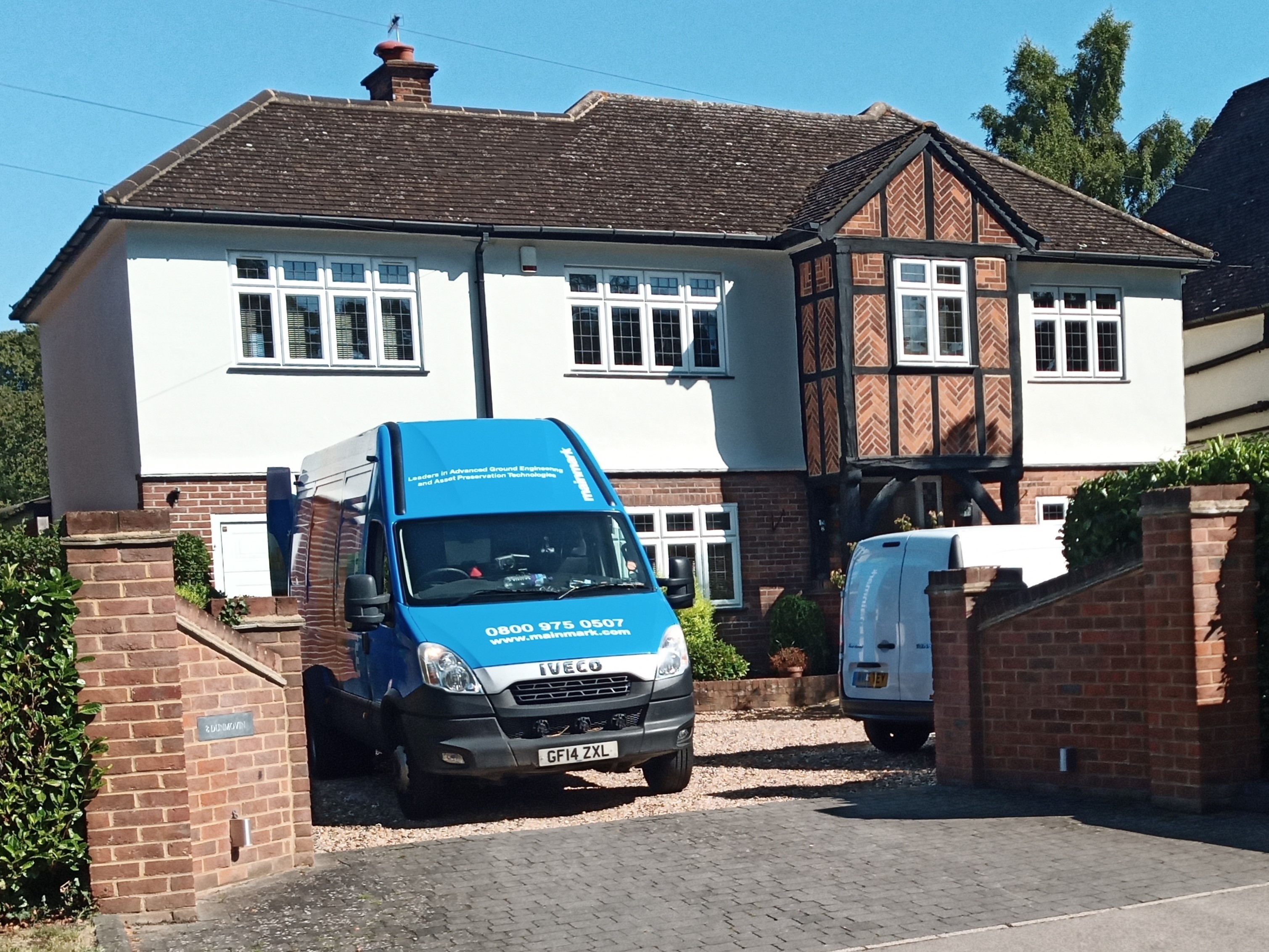
Underpinning a house using traditional methods aims to improve the foundations underneath. The treatment is needed when the original foundations can no longer support the building. This is often caused by issues with the soil supporting the foundation. Underpinning a house using traditional methods can be a complicated, lengthy and costly process but there are modern proven underpinning alternatives now available.
Underpinning contractors
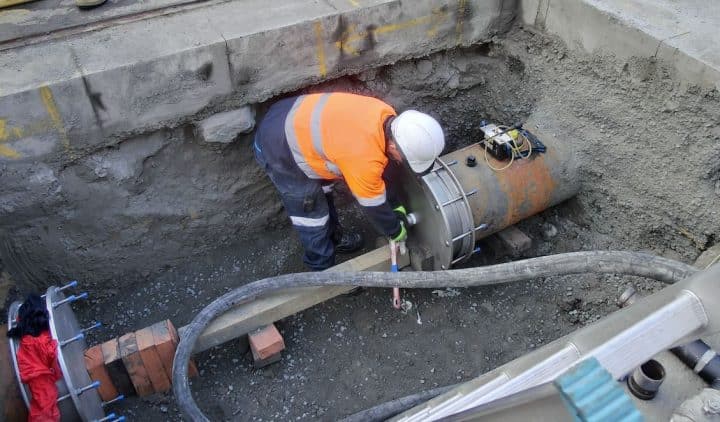
If your home suffers from subsidence, or you suspect it may, enlisting the help of experts as soon as possible is essential to ensure the problem is dealt with quickly and does not worsen. Underpinning contractors and geotechnical engineers can help diagnose the problem and advise on the best course of treatment options and costs involved. Alongside traditional underpinning contractors, Mainmark’s methods offer a modern, proven subsidence treatment methods – an option that may prove more suitable for your requirements.
Underpinning cost
One of the first things you will probably wonder when you discover that your home may be suffering from subsidence is how much remediation methods, such as underpinning, will cost you. When calculating the cost of traditional underpinning for a residential home, the numbers can quickly go up. There are various methods of dealing with house subsidence and the cost of each method can be very different. may also be suitable for saving your home and saving you money.
Mainmark’s specialised in-house solutions
Our dedicated team of experts is committed to understanding your unique needs and objectives, working closely with you to develop and execute.
Mainmark technologies – effective alternatives to underpinning
A diverse group of passionate professionals, each bringing unique skills and experiences to drive innovation and excellence in every project we undertake.

Delivering exceptional outcomes to our
clients, partners and team
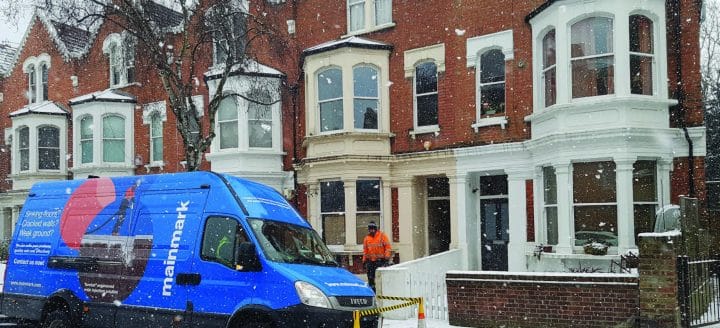
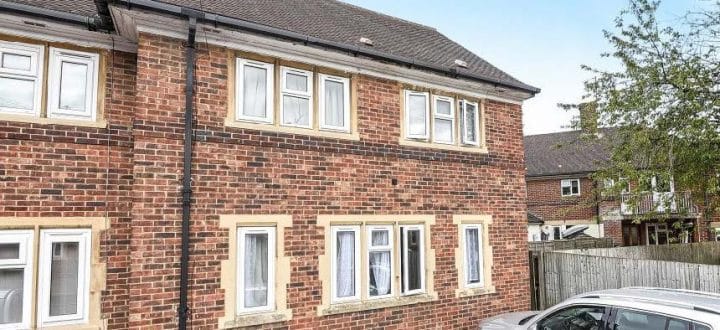
Our dedicated team of experts is committed to understanding your unique needs and objectives, working closely with you to develop and execute.

Honest
Our world-leading ground engineering technologies achieve safe, accurate and economically delivered outcomes. We understand that ground engineering can be complex and no single method suits every project. We work with our clients and partners to recommend the right solution for each challenge.

Proven
Mainmark ground improvement solutions have been proven for over 30 years. Our ground engineering specialists have worked on over 30,000 projects worldwide, from straightforward residential subsidence to post-earthquake remediation in Japan and New Zealand. We aim to be the best at solving your ground problems with minimal disruption.

Knowledgeable
Our experienced team has a wealth of knowledge in residential, commercial and industrial buildings, as well as highways, rail, utilities and infrastructure. Our ground engineers can raise and re-level buildings, providing support and improving ground performance.

Technical
The combination of our proven ground improvement technologies and our experienced ground engineers enables us to re-level and re-support buildings affected by subsidence across various sectors.

Consultative
Our problem-solving approach and recommendation of ground engineering solutions sets us apart from the competition. The complexity of ground improvement requires a range of state-of-the-art technologies to meet both project and client requirements.

Trusted
We are trusted to present effective and creative solutions to many types of ground engineering problems in a wide range of sectors, including residential, industrial, commercial, civil engineering and infrastructure.
Get in Touch
Worried about wall cracks, ceiling cracks, or possible subsidence? Mainmark Ireland’s specialists are here to help. We’ll inspect, assess, and provide the most effective repair plan for your property.
Phone
Location
Unit E4, Clonlara Avenue, Baldonnell Business Park, Dublin 22
Underpinning
We reinforce and stabilise existing foundations, restoring structural integrity and preventing further movement with minimal disruption to buildings or operations.
What is underpinning and why is it needed?
Underpinning (sometimes called foundation stabilisation) is the process of strengthening or repairing the ground beneath an existing building to make sure its foundations are stable.
Traditionally, underpinning meant digging out the soil beneath a property and filling it with concrete. While this method is still used in some cases, modern technologies offer faster, less disruptive, and often more cost-effective alternatives.
You may need underpinning services for:
Conversions or extensions
Adding another storey to your house, or converting a residential building into a commercial or industrial unit, increases the load on your foundations. Underpinning strengthens the ground so it can handle the extra weight.
Protection from future problems
If your foundations are weak or unstable, or if nearby excavation works threaten the soil beneath your property, underpinning helps protect your building from long-term damage.
Fix current issues (like subsidence)
The most common reason for underpinning is to stabilise and re-level a building already showing subsidence cracks or sinking floors. Traditional underpinning could take weeks or even months — but with Mainmark’s world-leading resin injection underpinning, the work can often be completed in as little as one day.
Types of Underpinning
Underpinning methods have been around since the 15th century. While traditional concrete approaches are still used, modern alternatives are faster, cleaner, and less disruptive. Here are the main methods:
Mass Concrete Underpinning
This is the oldest and most widely used technique. It involves excavating boxed sections beneath the foundation and filling them with concrete. Mass concrete underpinning is usually only suitable for shallow foundations and, while reliable, it is labour-intensive, slow, and can cause significant disruption.
Piled Underpinning
When stable soil lies deeper underground, piled underpinning is often required. This method transfers the foundation load to stronger soil layers using deep piles made of steel and concrete. It may involve removing internal floors to install the pile grid, and is often chosen where excavation isn’t practical due to environmental restrictions or limited site access.
Computer-Controlled Grouting
This advanced approach uses multiple small injection points to deliver high-mobility grout under computer control. The system gently raises and stabilises structures with precision, making it effective for large or complex buildings. The injection ports are very small (25–40mm), so the method is minimally invasive while still capable of lifting heavy loads with accuracy.
Resin Injection Underpinning
Our preferred modern solution is resin injection underpinning, a fast and non-invasive alternative to traditional excavation. Expanding polyurethane resin is injected into the ground through small tubes, filling voids and compacting weak soil. The chemical reaction strengthens the foundation and lifts the structure back to level in a controlled way. Often compared to “keyhole surgery” for buildings, resin injection is clean, efficient, and in many cases can be completed in just one day — with no need for occupants to move out.
Underpinning alternatives with minimal disruption
Mainmark’s ground improvement technologies are cost-effective and reliable alternatives to traditional underpinning. Our methods cause little or no disruption and work can often be completed in a day.
Our underpinning alternative technologies are non-invasive. This means that it is not necessary for building occupants to vacate the property during the work taking place. Building contents can remain in place. Treated roads, paths, driveways and concrete slabs can be used again after only a few hours.
Underpinning alternatives with minimal disruption
With Mainmark’s expertise, you can stabilise your property quickly, safely, and without the mess of traditional excavation methods.
At Mainmark, we specialise in non-invasive underpinning alternatives. Our solutions are:
Cost-Effective
less labour and downtime than traditional underpinning
Fast
work can often be completed in a single day
Non-disruptive
no need to move out, and contents can remain in place
Practical
treated areas (roads, driveways, concrete slabs) can be used again after just a few hours
Underpinning Resources and Methods
Our dedicated team of experts is committed to understanding your unique needs and objectives, working closely with you to develop and execute.
Resin injection underpinning
Resin injection underpinning is a non-invasive alternative to the traditional underpinning of a building that is experiencing subsidence. A modern alternative that can save time and money it fills voids and compressed soil, increases the ground’s load-bearing capacity and can re-level the building or structure.
Foundation underpinning
Traditional methods of foundation underpinning can be complicated, costly and disruptive. They involve excavations from under the foundations and a labour-intensive process of filling these with concrete or other filler material in order to strengthen the foundations. The work can last weeks and often even months. During this time the building needs to be vacated.
Underpinning a house
Underpinning a house using traditional methods aims to improve the foundations underneath. The treatment is needed when the original foundations can no longer support the building. This is often caused by issues with the soil supporting the foundation. Underpinning a house using traditional methods can be a complicated, lengthy and costly process but there are modern proven underpinning alternatives now available.
Underpinning contractors
If your home suffers from subsidence, or you suspect it may, enlisting the help of experts as soon as possible is essential to ensure the problem is dealt with quickly and does not worsen. Underpinning contractors and geotechnical engineers can help diagnose the problem and advise on the best course of treatment options and costs involved. Alongside traditional underpinning contractors, Mainmark’s methods offer a modern, proven subsidence treatment methods – an option that may prove more suitable for your requirements.
Underpinning cost
One of the first things you will probably wonder when you discover that your home may be suffering from subsidence is how much remediation methods, such as underpinning, will cost you. When calculating the cost of traditional underpinning for a residential home, the numbers can quickly go up. There are various methods of dealing with house subsidence and the cost of each method can be very different. may also be suitable for saving your home and saving you money.
Mainmark’s specialised in-house solutions
Our dedicated team of experts is committed to understanding your unique needs and objectives, working closely with you to develop and execute.
Mainmark technologies – effective alternatives to underpinning
A diverse group of passionate professionals, each bringing unique skills and experiences to drive innovation and excellence in every project we undertake.
Delivering exceptional outcomes to our
clients, partners and team
Our dedicated team of experts is committed to understanding your unique needs and objectives, working closely with you to develop and execute.
Honest
Our world-leading ground engineering technologies achieve safe, accurate and economically delivered outcomes. We understand that ground engineering can be complex and no single method suits every project. We work with our clients and partners to recommend the right solution for each challenge.
Proven
Mainmark ground improvement solutions have been proven for over 30 years. Our ground engineering specialists have worked on over 30,000 projects worldwide, from straightforward residential subsidence to post-earthquake remediation in Japan and New Zealand. We aim to be the best at solving your ground problems with minimal disruption.
Knowledgeable
Our experienced team has a wealth of knowledge in residential, commercial and industrial buildings, as well as highways, rail, utilities and infrastructure. Our ground engineers can raise and re-level buildings, providing support and improving ground performance.
Technical
The combination of our proven ground improvement technologies and our experienced ground engineers enables us to re-level and re-support buildings affected by subsidence across various sectors.
Consultative
Our problem-solving approach and recommendation of ground engineering solutions sets us apart from the competition. The complexity of ground improvement requires a range of state-of-the-art technologies to meet both project and client requirements.
Trusted
We are trusted to present effective and creative solutions to many types of ground engineering problems in a wide range of sectors, including residential, industrial, commercial, civil engineering and infrastructure.
Get in Touch
Worried about wall cracks, ceiling cracks, or possible subsidence? Mainmark Ireland’s specialists are here to help. We’ll inspect, assess, and provide the most effective repair plan for your property.
Phone
Location
Unit E4, Clonlara Avenue, Baldonnell Business Park, Dublin 22
Underpinning
We reinforce and stabilise existing foundations, restoring structural integrity and preventing further movement with minimal disruption to buildings or operations.
What is underpinning and why is it needed?
Underpinning (sometimes called foundation stabilisation) is the process of strengthening or repairing the ground beneath an existing building to make sure its foundations are stable.
Traditionally, underpinning meant digging out the soil beneath a property and filling it with concrete. While this method is still used in some cases, modern technologies offer faster, less disruptive, and often more cost-effective alternatives.
You may need underpinning services for:
Conversions or extensions
Adding another storey to your house, or converting a residential building into a commercial or industrial unit, increases the load on your foundations. Underpinning strengthens the ground so it can handle the extra weight.
Protection from future problems
If your foundations are weak or unstable, or if nearby excavation works threaten the soil beneath your property, underpinning helps protect your building from long-term damage.
Fix current issues (like subsidence)
The most common reason for underpinning is to stabilise and re-level a building already showing subsidence cracks or sinking floors. Traditional underpinning could take weeks or even months — but with Mainmark’s world-leading resin injection underpinning, the work can often be completed in as little as one day.
Types of Underpinning
Underpinning methods have been around since the 15th century. While traditional concrete approaches are still used, modern alternatives are faster, cleaner, and less disruptive. Here are the main methods:
Mass Concrete Underpinning
This is the oldest and most widely used technique. It involves excavating boxed sections beneath the foundation and filling them with concrete. Mass concrete underpinning is usually only suitable for shallow foundations and, while reliable, it is labour-intensive, slow, and can cause significant disruption.
Piled Underpinning
When stable soil lies deeper underground, piled underpinning is often required. This method transfers the foundation load to stronger soil layers using deep piles made of steel and concrete. It may involve removing internal floors to install the pile grid, and is often chosen where excavation isn’t practical due to environmental restrictions or limited site access.
Computer-Controlled Grouting
This advanced approach uses multiple small injection points to deliver high-mobility grout under computer control. The system gently raises and stabilises structures with precision, making it effective for large or complex buildings. The injection ports are very small (25–40mm), so the method is minimally invasive while still capable of lifting heavy loads with accuracy.
Resin Injection Underpinning
Our preferred modern solution is resin injection underpinning, a fast and non-invasive alternative to traditional excavation. Expanding polyurethane resin is injected into the ground through small tubes, filling voids and compacting weak soil. The chemical reaction strengthens the foundation and lifts the structure back to level in a controlled way. Often compared to “keyhole surgery” for buildings, resin injection is clean, efficient, and in many cases can be completed in just one day — with no need for occupants to move out.
Underpinning alternatives with minimal disruption
Mainmark’s ground improvement technologies are cost-effective and reliable alternatives to traditional underpinning. Our methods cause little or no disruption and work can often be completed in a day.
Our underpinning alternative technologies are non-invasive. This means that it is not necessary for building occupants to vacate the property during the work taking place. Building contents can remain in place. Treated roads, paths, driveways and concrete slabs can be used again after only a few hours.
Underpinning alternatives with minimal disruption
With Mainmark’s expertise, you can stabilise your property quickly, safely, and without the mess of traditional excavation methods.
At Mainmark, we specialise in non-invasive underpinning alternatives. Our solutions are:
Cost-Effective
less labour and downtime than traditional underpinning
Fast
work can often be completed in a single day
Non-disruptive
no need to move out, and contents can remain in place
Practical
treated areas (roads, driveways, concrete slabs) can be used again after just a few hours
Underpinning Resources and Methods
Our dedicated team of experts is committed to understanding your unique needs and objectives, working closely with you to develop and execute.
Resin injection underpinning
Resin injection underpinning is a non-invasive alternative to the traditional underpinning of a building that is experiencing subsidence. A modern alternative that can save time and money it fills voids and compressed soil, increases the ground’s load-bearing capacity and can re-level the building or structure.
Foundation underpinning
Traditional methods of foundation underpinning can be complicated, costly and disruptive. They involve excavations from under the foundations and a labour-intensive process of filling these with concrete or other filler material in order to strengthen the foundations. The work can last weeks and often even months. During this time the building needs to be vacated.
Underpinning a house
Underpinning a house using traditional methods aims to improve the foundations underneath. The treatment is needed when the original foundations can no longer support the building. This is often caused by issues with the soil supporting the foundation. Underpinning a house using traditional methods can be a complicated, lengthy and costly process but there are modern proven underpinning alternatives now available.
Underpinning contractors
If your home suffers from subsidence, or you suspect it may, enlisting the help of experts as soon as possible is essential to ensure the problem is dealt with quickly and does not worsen. Underpinning contractors and geotechnical engineers can help diagnose the problem and advise on the best course of treatment options and costs involved. Alongside traditional underpinning contractors, Mainmark’s methods offer a modern, proven subsidence treatment methods – an option that may prove more suitable for your requirements.
Underpinning cost
One of the first things you will probably wonder when you discover that your home may be suffering from subsidence is how much remediation methods, such as underpinning, will cost you. When calculating the cost of traditional underpinning for a residential home, the numbers can quickly go up. There are various methods of dealing with house subsidence and the cost of each method can be very different. may also be suitable for saving your home and saving you money.
Mainmark’s specialised in-house solutions
Our dedicated team of experts is committed to understanding your unique needs and objectives, working closely with you to develop and execute.
Mainmark technologies – effective alternatives to underpinning
A diverse group of passionate professionals, each bringing unique skills and experiences to drive innovation and excellence in every project we undertake.
Delivering exceptional outcomes to our
clients, partners and team
Our dedicated team of experts is committed to understanding your unique needs and objectives, working closely with you to develop and execute.
Honest
Our world-leading ground engineering technologies achieve safe, accurate and economically delivered outcomes. We understand that ground engineering can be complex and no single method suits every project. We work with our clients and partners to recommend the right solution for each challenge.
Proven
Mainmark ground improvement solutions have been proven for over 30 years. Our ground engineering specialists have worked on over 30,000 projects worldwide, from straightforward residential subsidence to post-earthquake remediation in Japan and New Zealand. We aim to be the best at solving your ground problems with minimal disruption.
Knowledgeable
Our experienced team has a wealth of knowledge in residential, commercial and industrial buildings, as well as highways, rail, utilities and infrastructure. Our ground engineers can raise and re-level buildings, providing support and improving ground performance.
Technical
The combination of our proven ground improvement technologies and our experienced ground engineers enables us to re-level and re-support buildings affected by subsidence across various sectors.
Consultative
Our problem-solving approach and recommendation of ground engineering solutions sets us apart from the competition. The complexity of ground improvement requires a range of state-of-the-art technologies to meet both project and client requirements.
Trusted
We are trusted to present effective and creative solutions to many types of ground engineering problems in a wide range of sectors, including residential, industrial, commercial, civil engineering and infrastructure.
Get in Touch
Worried about wall cracks, ceiling cracks, or possible subsidence? Mainmark Ireland’s specialists are here to help. We’ll inspect, assess, and provide the most effective repair plan for your property.
Phone
Location
Unit E4, Clonlara Avenue, Baldonnell Business Park, Dublin 22