
Subsidence
We identify and resolve subsidence by stabilising the ground and restoring structural integrity, preventing further movement or damage.
What is subsidence?
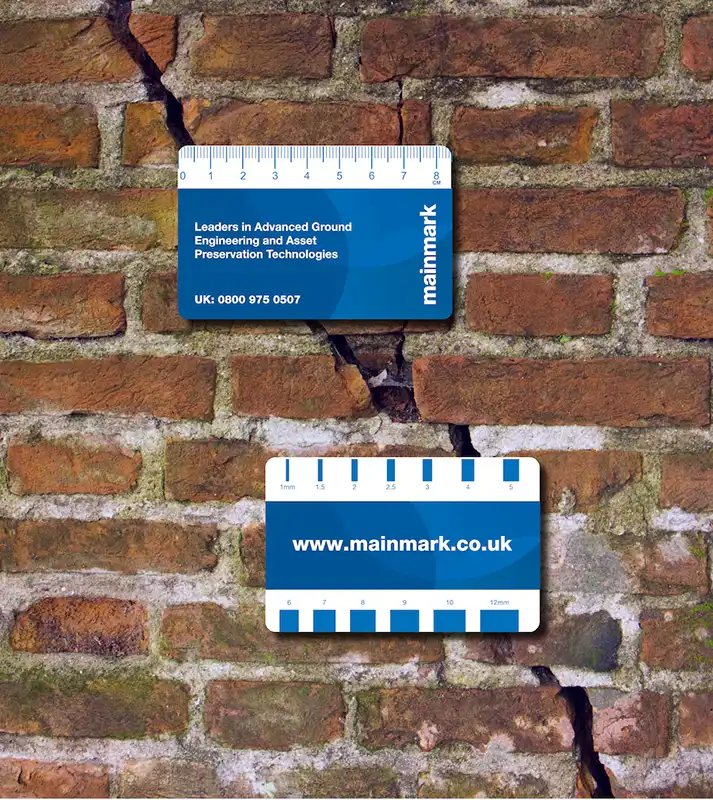
Subsidence is the sinking ground beneath a building, which causes the foundations to move and the property to drop unevenly. Over time this can lead to cracks in walls, sinking floors, and even serious structural damage.
In Ireland and the UK, tens of thousands of properties are affected by subsidence each year. It can impact all buildings from residential to commercial.
Subsidence usually develops slowly. At first, the signs of subsidence in a house may be small. Typically the appearance of fine cracks or a sticking door, these are easy to dismiss. But ignoring the problem will only make it worse. House subsidence repair costs are always lower when the issue is fixed early.
For property owners, subsidence can lower property value and put off buyers or tenants. If ignored, it will create expensive repair bills and in severe cases, compromise the safety of the building.
How To Fix Subsidence?
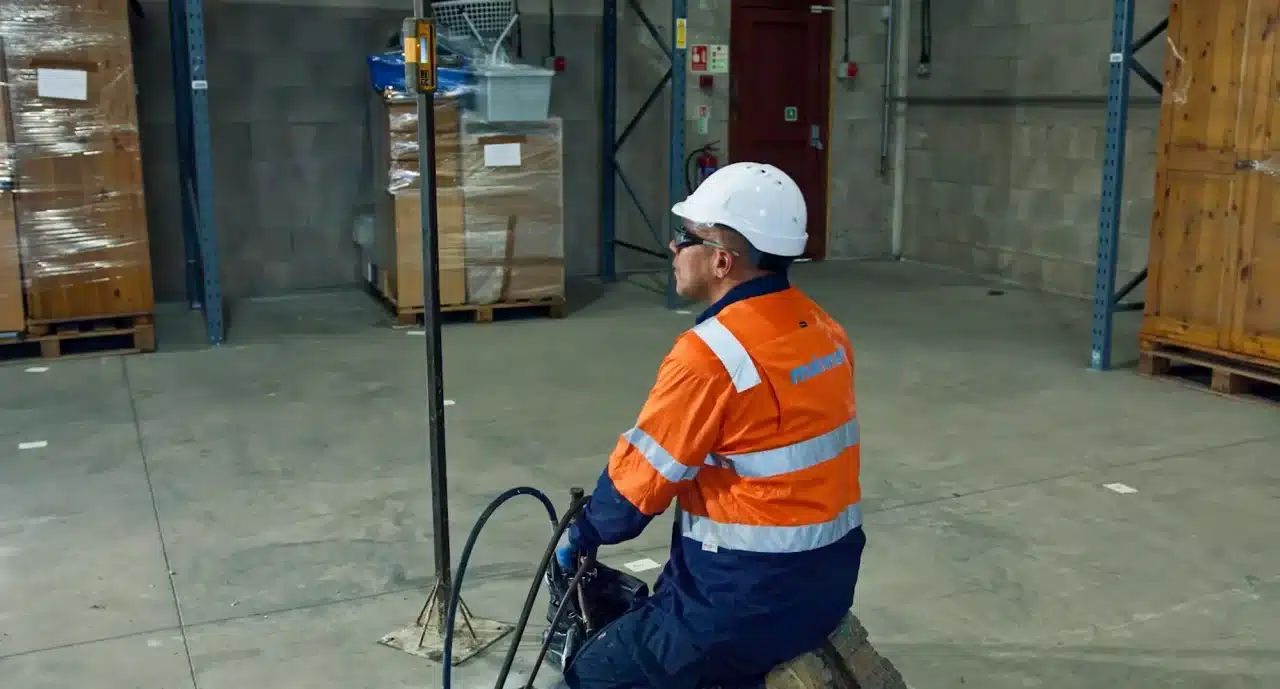
Traditionally, the main way to fix subsidence was underpinning with concrete. This involved digging under the house and pouring large amounts of concrete to strengthen the foundation. But traditional concrete underpinning or foundation stabilisation was:
Expensive
Messy and disruptive
Time-consuming (weeks or months)
Often required families to move out of their home
Today, there are faster and less invasive subsidence repair techniques.
At Mainmark, we use Teretek® resin injection; a ground engineering solution that works like keyhole surgery. Expanding resin is injected into the ground, filling voids and strengthening weak soil. This lifts and re-levels the structure with precision.
Benefits:
Cost-effective: usually cheaper than underpinning
Fast: often completed in just one day
Non-invasive: little or no digging required
No need to move out: in most cases you can stay in your home
Carbon-friendly: no extensive heavy machinery needed
Teretek® has been used to fix house subsidence, industrial buildings, and infrastructure projects worldwide.
Subsidence and selling a house
For the majority of people, buying or selling a house is the biggest financial decision of their lives. Subsidence can complicate the process, but it doesn’t mean the property is unsellable.
If you’re buying a house with subsidence:
Always get a subsidence survey or inspection included in your building survey. You should check whether past subsidence repairs meet Building Research Establishment (BRE) standards.
Make sure to ask for:
A formal completion certificate from the council
A certificate of structural adequacy
Any guarantees linked to past repair work
Confirm what’s covered under home insurance for subsidence
If you’re selling a house with subsidence
Be transparent about the issue or repair history. You should be prepared that buyers may negotiate a lower price as reports suggest properties with subsidence can be valued 20–25% lower.
Remember, emphasise the positives: if professional repairs are completed and documented, buyers will feel reassured.
What are the signs of subsidence?
Our dedicated team of experts is committed to understanding your unique needs and objectives, working closely with you to develop and execute.

Cracks in walls and ceilings
The most common sign of subsidence is cracks appearing in internal and external walls. Cracks are a mechanism for releasing stress in a structure, which naturally weakens your property’s design. It’s important to note that not all cracks mean that your house is suffering from subsidence, small cracks are often just cosmetic and could purely be down to the age of the property.
Jammed doors and sticking windows
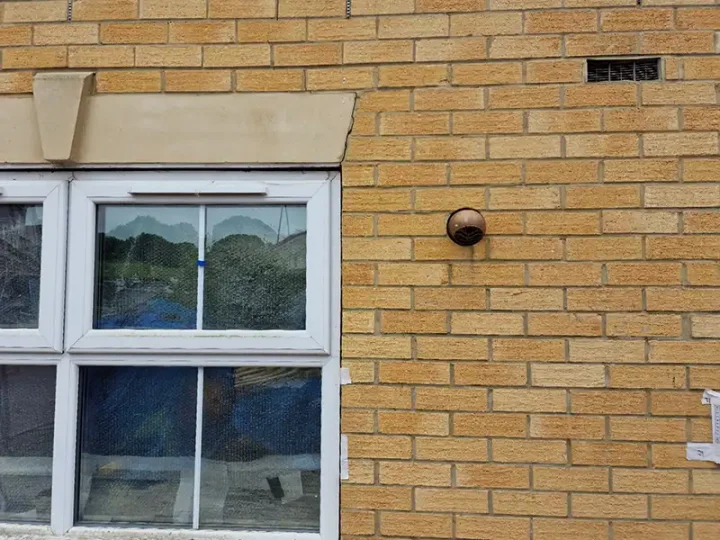
Subsidence cracks often appear near doors and windows, as these weaker points are more prone to movement. Depending on their position, cracks may cause gaps around frames, doors or windows swinging open on their own, or making them jammed and difficult to open or close.
Sinking floors
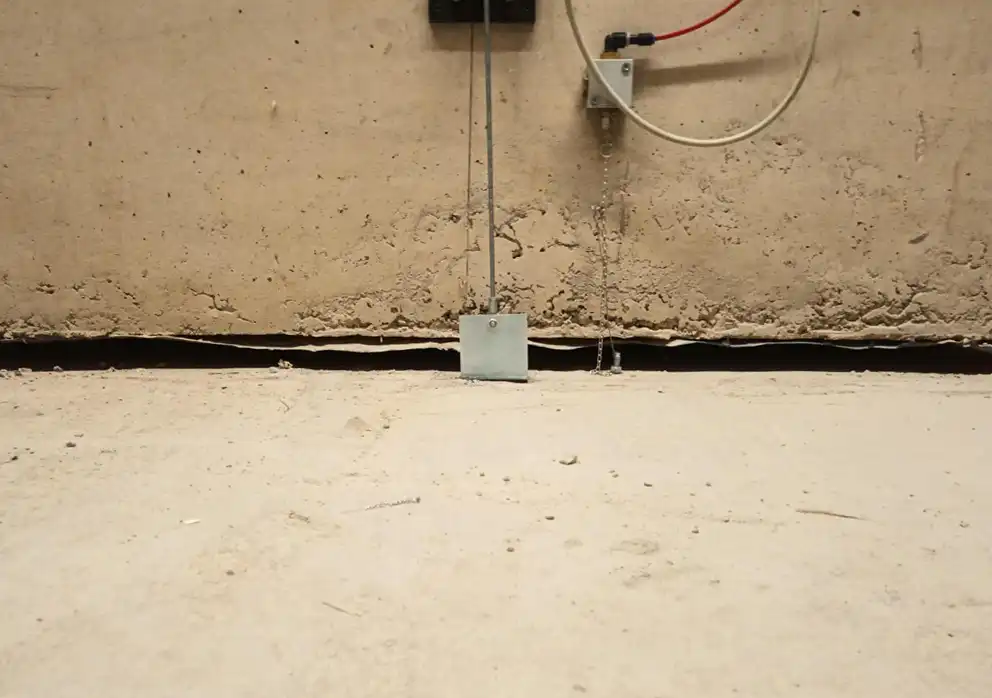
Sinking floors are often the most obvious signs of subsidence, but it’s still important to keep your eye out as it’s best to catch it as early as possible! Sinking floors can form in different ways, if the subsidence is concentrated in the middle of the property, then the centre of the floor can indent or “dish”.
Mainmark’s specialised in-house solutions
Our dedicated team of experts is committed to understanding your unique needs and objectives, working closely with you to develop and execute.
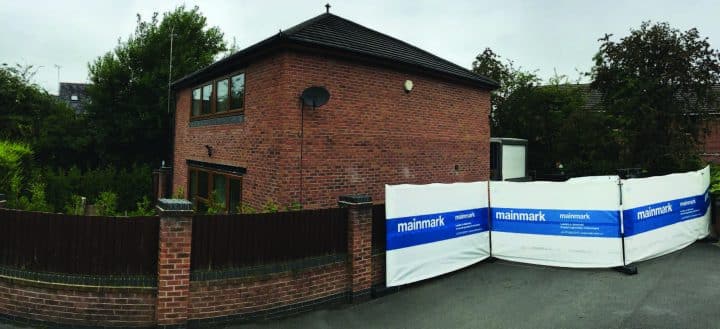
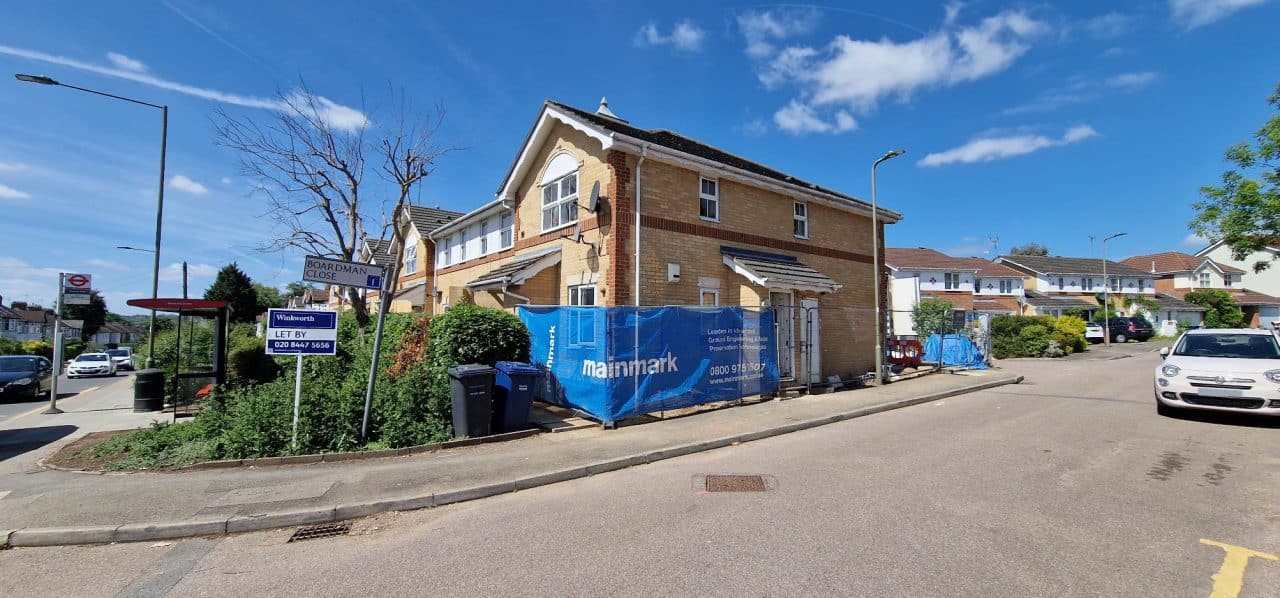
Mainmark subsidence remediation technologies
A diverse group of passionate professionals, each bringing unique skills and experiences to drive innovation and excellence in every project we undertake.

Why choose Mainmark?
We’ve been fixing subsidence and stabilising buildings in Ireland and the world since 1989.

Honest
We recommend the right solution for each unique project

Proven
Over 30,000 successful projects worldwide, from houses to major infrastructure

Knowledgeable
Specialists in residential, commercial, industrial, and civil engineering

Technical
Combining cutting-edge ground improvement technologies with expert engineering

Consultative
Working closely with clients to deliver tailored solutions

Trusted
Known globally for safe, effective, and innovative ground engineering
Get in Touch
Worried about wall cracks, ceiling cracks, or possible subsidence? Mainmark Ireland’s specialists are here to help. We’ll inspect, assess, and provide the most effective repair plan for your property.
Phone
Location
Unit E4, Clonlara Avenue, Baldonnell Business Park, Dublin 22
Subsidence
We identify and resolve subsidence by stabilising the ground and restoring structural integrity, preventing further movement or damage.
What is subsidence?
Subsidence is the sinking ground beneath a building, which causes the foundations to move and the property to drop unevenly. Over time this can lead to cracks in walls, sinking floors, and even serious structural damage.
In Ireland and the UK, tens of thousands of properties are affected by subsidence each year. It can impact all buildings from residential to commercial.
Subsidence usually develops slowly. At first, the signs of subsidence in a house may be small. Typically the appearance of fine cracks or a sticking door, these are easy to dismiss. But ignoring the problem will only make it worse. House subsidence repair costs are always lower when the issue is fixed early.
For property owners, subsidence can lower property value and put off buyers or tenants. If ignored, it will create expensive repair bills and in severe cases, compromise the safety of the building.
How To Fix Subsidence?
Traditionally, the main way to fix subsidence was underpinning with concrete. This involved digging under the house and pouring large amounts of concrete to strengthen the foundation. But traditional concrete underpinning or foundation stabilisation was:
Expensive
Messy and disruptive
Time-consuming (weeks or months)
Often required families to move out of their home
Today, there are faster and less invasive subsidence repair techniques.
At Mainmark, we use Teretek® resin injection; a ground engineering solution that works like keyhole surgery. Expanding resin is injected into the ground, filling voids and strengthening weak soil. This lifts and re-levels the structure with precision.
Benefits:
Cost-effective: usually cheaper than underpinning
Fast: often completed in just one day
Non-invasive: little or no digging required
No need to move out: in most cases you can stay in your home
Carbon-friendly: no extensive heavy machinery needed
Teretek® has been used to fix house subsidence, industrial buildings, and infrastructure projects worldwide.
Subsidence and selling a house
For the majority of people, buying or selling a house is the biggest financial decision of their lives. Subsidence can complicate the process, but it doesn’t mean the property is unsellable.
If you’re buying a house with subsidence:
Always get a subsidence survey or inspection included in your building survey. You should check whether past subsidence repairs meet Building Research Establishment (BRE) standards.
Make sure to ask for:
A formal completion certificate from the council
A certificate of structural adequacy
Any guarantees linked to past repair work
Confirm what’s covered under home insurance for subsidence
If you’re selling a house with subsidence
Be transparent about the issue or repair history. You should be prepared that buyers may negotiate a lower price as reports suggest properties with subsidence can be valued 20–25% lower.
Remember, emphasise the positives: if professional repairs are completed and documented, buyers will feel reassured.
What are the signs of subsidence?
Our dedicated team of experts is committed to understanding your unique needs and objectives, working closely with you to develop and execute.
Cracks in walls and ceilings
The most common sign of subsidence is cracks appearing in internal and external walls. Cracks are a mechanism for releasing stress in a structure, which naturally weakens your property’s design. It’s important to note that not all cracks mean that your house is suffering from subsidence, small cracks are often just cosmetic and could purely be down to the age of the property.
Jammed doors and sticking windows
Subsidence cracks often appear near doors and windows, as these weaker points are more prone to movement. Depending on their position, cracks may cause gaps around frames, doors or windows swinging open on their own, or making them jammed and difficult to open or close.
Sinking floors
Sinking floors are often the most obvious signs of subsidence, but it’s still important to keep your eye out as it’s best to catch it as early as possible! Sinking floors can form in different ways, if the subsidence is concentrated in the middle of the property, then the centre of the floor can indent or “dish”.
Mainmark’s specialised in-house solutions
Our dedicated team of experts is committed to understanding your unique needs and objectives, working closely with you to develop and execute.
Mainmark subsidence remediation technologies
A diverse group of passionate professionals, each bringing unique skills and experiences to drive innovation and excellence in every project we undertake.
Why choose Mainmark?
We’ve been fixing subsidence and stabilising buildings in Ireland and the world since 1989.
Honest
We recommend the right solution for each unique project
Proven
Over 30,000 successful projects worldwide, from houses to major infrastructure
Knowledgeable
Specialists in residential, commercial, industrial, and civil engineering
Technical
Combining cutting-edge ground improvement technologies with expert engineering
Consultative
Working closely with clients to deliver tailored solutions
Trusted
Known globally for safe, effective, and innovative ground engineering
Get in Touch
Worried about wall cracks, ceiling cracks, or possible subsidence? Mainmark Ireland’s specialists are here to help. We’ll inspect, assess, and provide the most effective repair plan for your property.
Phone
Location
Unit E4, Clonlara Avenue, Baldonnell Business Park, Dublin 22
Subsidence
We identify and resolve subsidence by stabilising the ground and restoring structural integrity, preventing further movement or damage.
What is subsidence?
Subsidence is the sinking ground beneath a building, which causes the foundations to move and the property to drop unevenly. Over time this can lead to cracks in walls, sinking floors, and even serious structural damage.
In Ireland and the UK, tens of thousands of properties are affected by subsidence each year. It can impact all buildings from residential to commercial.
Subsidence usually develops slowly. At first, the signs of subsidence in a house may be small. Typically the appearance of fine cracks or a sticking door, these are easy to dismiss. But ignoring the problem will only make it worse. House subsidence repair costs are always lower when the issue is fixed early.
For property owners, subsidence can lower property value and put off buyers or tenants. If ignored, it will create expensive repair bills and in severe cases, compromise the safety of the building.
How To Fix Subsidence?
Traditionally, the main way to fix subsidence was underpinning with concrete. This involved digging under the house and pouring large amounts of concrete to strengthen the foundation. But traditional concrete underpinning or foundation stabilisation was:
Expensive
Messy and disruptive
Time-consuming (weeks or months)
Often required families to move out of their home
Today, there are faster and less invasive subsidence repair techniques.
At Mainmark, we use Teretek® resin injection; a ground engineering solution that works like keyhole surgery. Expanding resin is injected into the ground, filling voids and strengthening weak soil. This lifts and re-levels the structure with precision.
Benefits:
Cost-effective: usually cheaper than underpinning
Fast: often completed in just one day
Non-invasive: little or no digging required
No need to move out: in most cases you can stay in your home
Carbon-friendly: no extensive heavy machinery needed
Teretek® has been used to fix house subsidence, industrial buildings, and infrastructure projects worldwide.
Subsidence and selling a house
For the majority of people, buying or selling a house is the biggest financial decision of their lives. Subsidence can complicate the process, but it doesn’t mean the property is unsellable.
If you’re buying a house with subsidence:
Always get a subsidence survey or inspection included in your building survey. You should check whether past subsidence repairs meet Building Research Establishment (BRE) standards.
Make sure to ask for:
A formal completion certificate from the council
A certificate of structural adequacy
Any guarantees linked to past repair work
Confirm what’s covered under home insurance for subsidence
If you’re selling a house with subsidence
Be transparent about the issue or repair history. You should be prepared that buyers may negotiate a lower price as reports suggest properties with subsidence can be valued 20–25% lower.
Remember, emphasise the positives: if professional repairs are completed and documented, buyers will feel reassured.
What are the signs of subsidence?
Our dedicated team of experts is committed to understanding your unique needs and objectives, working closely with you to develop and execute.
Cracks in walls and ceilings
The most common sign of subsidence is cracks appearing in internal and external walls. Cracks are a mechanism for releasing stress in a structure, which naturally weakens your property’s design. It’s important to note that not all cracks mean that your house is suffering from subsidence, small cracks are often just cosmetic and could purely be down to the age of the property.
Jammed doors and sticking windows
Subsidence cracks often appear near doors and windows, as these weaker points are more prone to movement. Depending on their position, cracks may cause gaps around frames, doors or windows swinging open on their own, or making them jammed and difficult to open or close.
Sinking floors
Sinking floors are often the most obvious signs of subsidence, but it’s still important to keep your eye out as it’s best to catch it as early as possible! Sinking floors can form in different ways, if the subsidence is concentrated in the middle of the property, then the centre of the floor can indent or “dish”.
Mainmark’s specialised in-house solutions
Our dedicated team of experts is committed to understanding your unique needs and objectives, working closely with you to develop and execute.
Mainmark subsidence remediation technologies
A diverse group of passionate professionals, each bringing unique skills and experiences to drive innovation and excellence in every project we undertake.
Why choose Mainmark?
We’ve been fixing subsidence and stabilising buildings in Ireland and the world since 1989.
Honest
We recommend the right solution for each unique project
Proven
Over 30,000 successful projects worldwide, from houses to major infrastructure
Knowledgeable
Specialists in residential, commercial, industrial, and civil engineering
Technical
Combining cutting-edge ground improvement technologies with expert engineering
Consultative
Working closely with clients to deliver tailored solutions
Trusted
Known globally for safe, effective, and innovative ground engineering
Get in Touch
Worried about wall cracks, ceiling cracks, or possible subsidence? Mainmark Ireland’s specialists are here to help. We’ll inspect, assess, and provide the most effective repair plan for your property.
Phone
Location
Unit E4, Clonlara Avenue, Baldonnell Business Park, Dublin 22